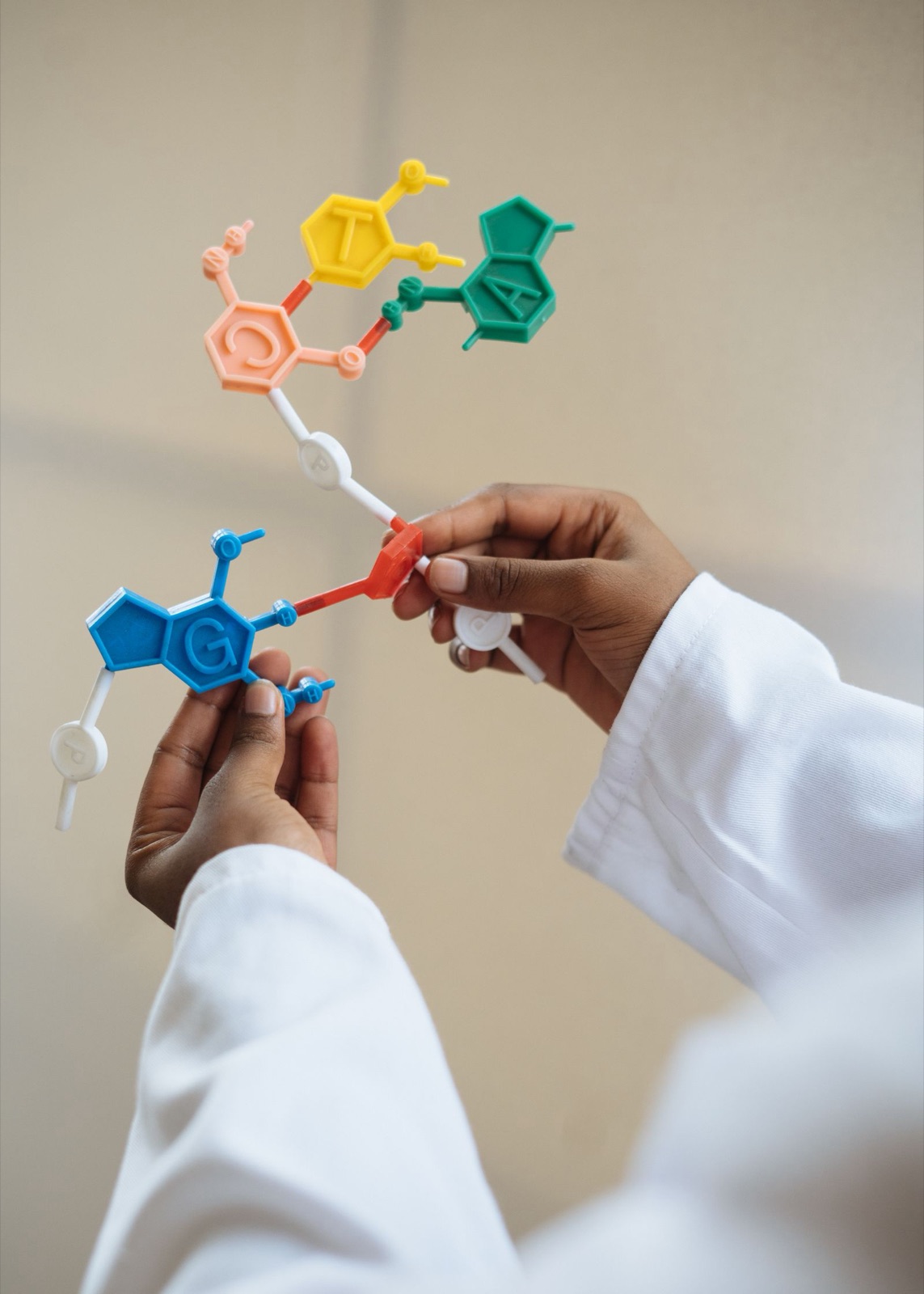
We look for work whose value shows up outside the institution that produced it.
We organize around three programs: free K–12 teaching materials, public tools for AI ethics and verification, and academic research in chemistry, chemical engineering, and agent systems. They share a test. Something has to be usable by a person who was not involved in making it.
As a non-profit we are not obliged to turn every result into a product. That frees us to work on problems that matter to a small number of people, or to publish something that helps a field without helping a balance sheet.
CheAI comes from chemistry and artificial intelligence, the two fields our research sits between. The letters also name the three commitments we hold our work to.
We follow questions that matter in practice, including the ones that will not turn into a product.
Claims should be checkable. That principle drives VeritasAudit and how we report our own results.
What we publish for K–12 stays free to download, so cost is never the barrier.
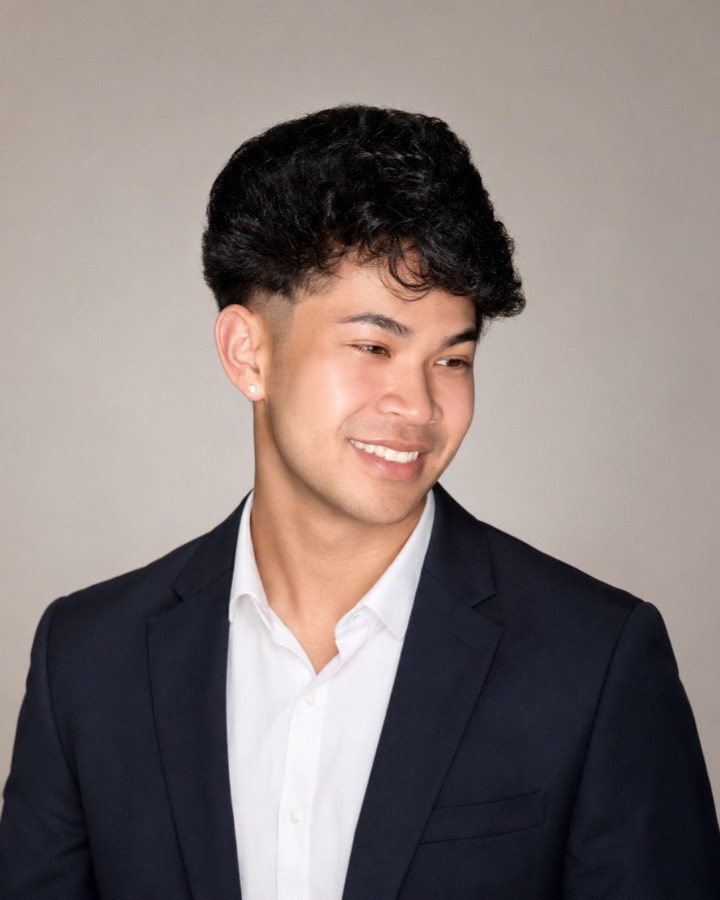
Leads marketing, partnerships, and business operations. Henry connects the research and education programs with the schools, institutions, and communities that use them, and keeps the organization running behind the work.
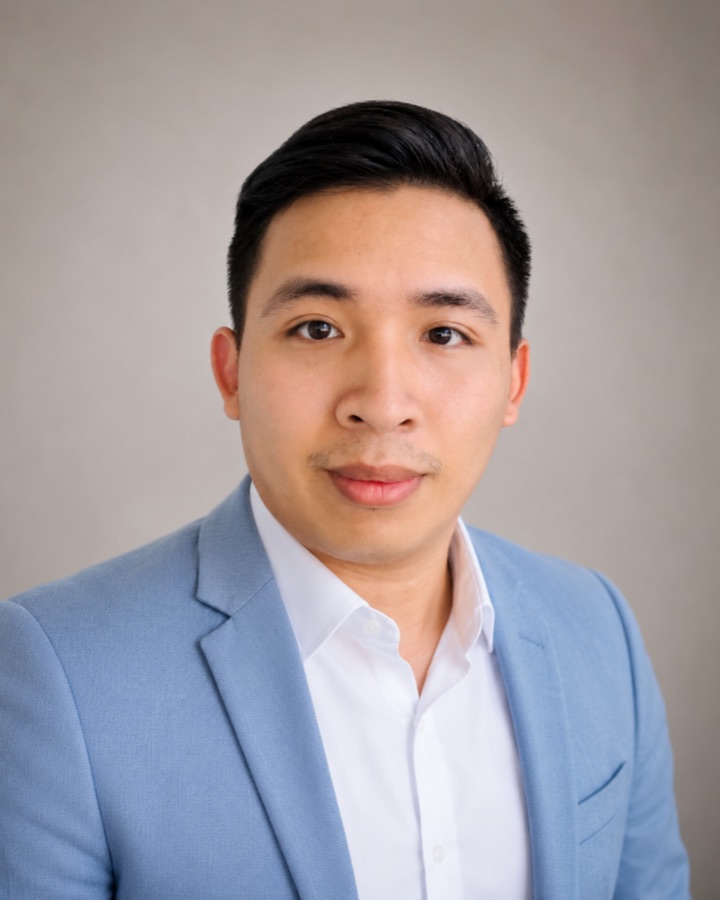
Engineer and research lead across AI and chemistry. Thinh directs the technical work: agent systems, applied chemistry and chemical engineering research, and the tools behind the education program, including VeritasAudit.
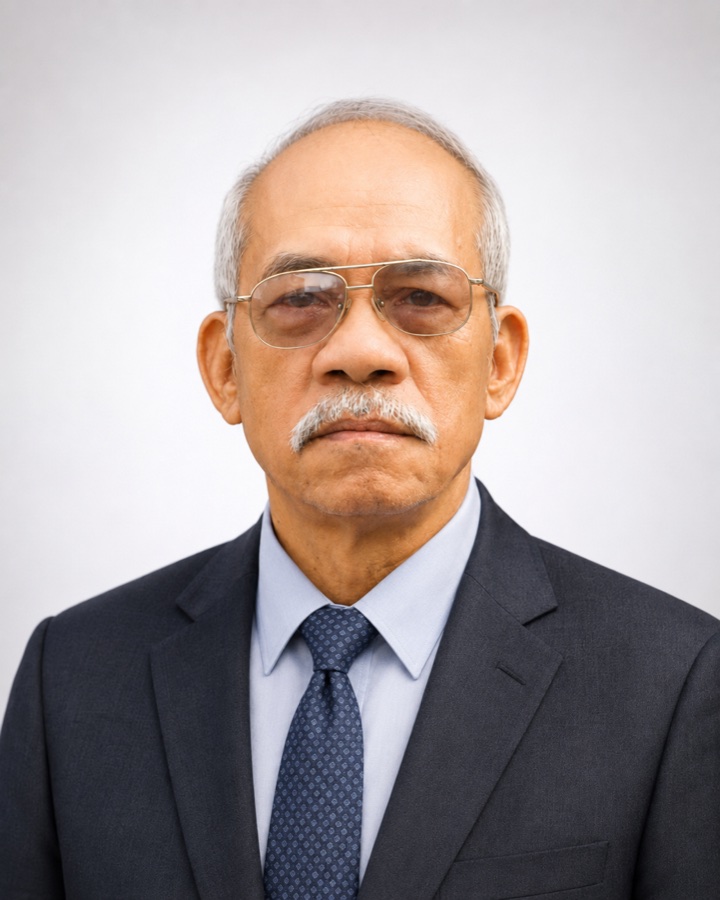
Former President of CheAI Research Inc. and former Principal of Au Lac Institute. Dung now serves on the advisory board, where he advises on education strategy and organizational direction.